In our decades of field testing at Fuji Grinding Wheel, we've found that selecting the right grinding wheel is the single most critical factor in achieving precision, efficiency, and safety. Using the wrong wheel doesn't just slow down production—it can lead to costly workpiece damage and severe operator safety hazards.
Whether you are outfitting a shipyard with high-performance wheels for steel or needing specialized discs for delicate stainless steel work, understanding the underlying material science is key. This guide, developed directly from our engineering team's hands-on experience with Japanese manufacturing standards, will help you navigate the essential technical specifications.

The material you need to grind dictates your abrasive choice. In our testing labs, mismatched materials are the #1 cause of "glazing" (the wheel stops cutting) and "loading" (metal fusing to the wheel face).
| Workpiece Material | Recommended Abrasive | Technical Reason |
|---|---|---|
| Carbon Steel / Alloy Steel | Aluminum Oxide (A) or Zirconia (Z) | Tough grains resist fracturing under high load; prevents chemical degradation. The standard choice for heavy fabrication. |
| Stainless Steel (INOX) | White Aluminum Oxide (WA) | Iron, sulfur, and chlorine-free formulation prevents rust contamination and reduces heat buildup. |
| Cast Iron / Stone / Copper | Silicon Carbide (C) | Sharp, friable grains fracture easily to expose new cutting edges, ideal for brittle or non-ferrous materials. |

Professional bonded abrasive wheels follow a standardized marking code. Understanding this code allows you to precisely dial in performance for your specific operators. For example, if you see a wheel marked "A 36 P B F" in your facility, it indicates:
Operators frequently make the mistake of requesting a "hard" wheel for a "hard" metal. You must do the opposite.
Hard materials dull abrasive grains quickly. A softer bond (e.g., Grade J) releases these dull grains efficiently to expose fresh, sharp cutting edges, preventing dangerous heat buildup. Conversely, use a harder bond for softer materials to maximize wheel life.

To maximize your grinding efficiency (Q-prime) and wheel lifespan (G-ratio), you must consider the mechanics of the operator's technique:
During a recent site visit to a European shipyard, our team observed operators struggling with rapid wheel wear when beveling structural steel. By switching their standard grinders to our prototype 300Hz high-frequency tools paired with the Fuji Zirconia (Z) series, we documented a 35% reduction in abrasive consumption and significantly lowered operator fatigue due to the consistent, high-torque RPM under load.
Use this rapid verification checklist before outfitting your team to ensure you have the right spec:
When industrial reliability and operator safety are non-negotiable, Fuji operates at the highest global standards.

If your operators are encountering issues on the floor, use this diagnostic chart based on our engineering team's field support data.
| Observed Problem | Probable Root Cause | Engineering Solution |
|---|---|---|
| Wheel Glazing (Surface is shiny, cutting stops) |
Bond is too hard; RPM may be too high. | Switch to a softer bond grade or coarser grit to allow the wheel to self-sharpen properly. |
| Workpiece Burning (Blue/Black heat discoloration) |
Excessive friction/heat generation. | Use a softer grade or transition to a specialized cool-cutting wheel. Instruct operator to reduce applied pressure. |
| Rapid Wheel Wear (Disappears too quickly) |
Bond is too soft; Grinding pressure is extreme. | Switch to a harder bond grade to hold grains longer. Check for machine vibration. |
| Vibration / Chatter | Wheel imbalance, worn spindle, or improper mounting. | Check mounting flanges immediately. Ensure you are using precision balanced wheels like the FUJI Super F2. |
Selecting the right industrial grinding wheel is a precise balance of material chemistry, grit size, and bond mechanics. With Fuji Grinding Wheel, you gain an engineering partner dedicated to optimizing this balance for your specific manufacturing challenges.
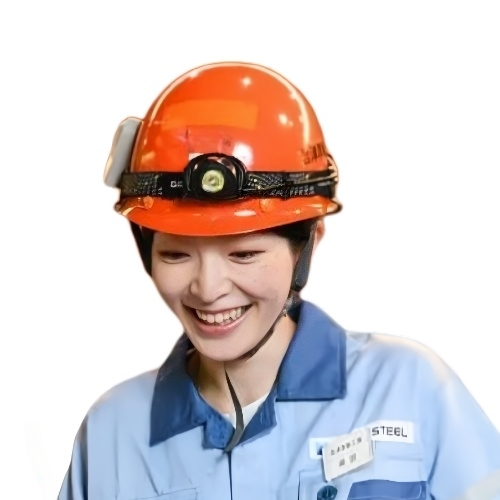
Written by: Kenji Sato, Lead Abrasives Engineer
Kenji has over 15 years of experience in abrasive engineering and material science. Specializing in JIS compliance and resin-bonded wheel formulations, he works directly with global shipyards, foundries, and manufacturers to optimize high-frequency grinding operations for peak efficiency and safety.
Ready to optimize your facility's grinding process?


