FUJI Super F2 is an economical grinding-wheel option for ordinary steel weld cleanup, deburring and edge preparation. A productive setup depends on matching the wheel size and specification to the workpiece, the grinder and the required finish. Persistent rubbing, heat, abnormal vibration or rapid wear should prompt a check of the complete setup rather than simply applying more force.
This application guide explains practical selection and troubleshooting for steel fabrication, including shipyard weld work. It is not a documented customer-specific comparison test and does not claim a universal increase in wheel life or grinding efficiency.

Super F2 combines selected aluminum oxide abrasives with a phenolic resin bond for practical, cost-conscious metal grinding. The bond holds the grains while allowing wear and grain release under working conditions. Self-sharpening involves grain fracture and release of worn grains; it is not a mechanism that releases every grain at an exact instant.
FUJI's hot-press process, also referred to here as warm pressing, uses controlled forming temperatures of approximately 40–80°C depending on the product and formulation. Forming is separate from subsequent resin curing. Consistent production supports repeatable wheel behavior, while actual cutting performance still depends on the task and operating conditions.
| Working requirement | Selection direction | Check before ordering |
|---|---|---|
| Compact work areas, local weld cleanup and deburring | 4-inch / 100mm Super F2 | Use a compatible grinder; a small disc does not make every narrow space accessible |
| General fabrication with moderate contact area | 125mm Super F2 and related size options | Match thickness, grit and grade to stock removal and handling needs |
| Larger accessible welds and steel surfaces | 7-inch / 180mm Super F2 | Confirm machine capacity, speed, guard and control of the working area |
Grit and grade are different: grit number describes abrasive coarseness; the grade letter describes how firmly the bond retains the grains. Neither should be confused with the hardness of the abrasive mineral. Select the available product specification rather than assuming that every diameter has the same grade or maximum speed.

Wavy marks or a bouncing tool do not identify a single fault. Wheel damage, incorrect mounting, machine condition, workpiece movement and contact technique can all contribute. Unexpected or severe vibration requires stopping the tool before further investigation.
| Symptom | Possible contributing factors | Checks and response |
|---|---|---|
| Abnormal bouncing or vibration | Damaged wheel, mounting or flange issues, machine wear, insecure workpiece | Stop, disconnect the power before inspection, and check against the tool and wheel instructions. Do not continue with a damaged wheel or faulty machine |
| Wheel rubs instead of cutting | Glazing, loading, unsuitable specification or operating conditions | Review material compatibility, grit, grade, tool capacity and contact pressure. Replace the disc when required; do not improvise dressing |
| Excessive heat or discoloration | Dwelling, excessive pressure, rubbing or an unsuitable wheel | Stop and inspect the work. Adjust the process before continuing and check acceptance requirements |
| Wheel wears too quickly | Unsuitable grade, excessive force, edge loading or mismatch to the task | Review contact area, technique and specification. Compare wear at the same accepted removal result |
| Deep scratches or uneven finish | Coarse grit, uneven movement or excessive removal | Control the grinding passes and move to an appropriate finishing abrasive when rough removal is complete |
Do not use a concrete block, dressing stone or diamond tool to reshape a portable reinforced resin grinding disc unless the manufacturer explicitly provides an approved procedure for that exact product. Machine-tool dressing procedures are not interchangeable with portable-disc instructions.

Stainless-steel work requires a material-appropriate wheel; this image is not evidence of a no-burn performance guarantee.
Grinding heat increases when the abrasive rubs instead of cutting, pressure is excessive or the operator dwells in one place. Appropriate abrasive selection, controlled passes and inspection help manage heat. Pores and chip-clearance space contribute to the wheel structure, but do not guarantee active cooling or prevent every instance of burning.
Weld heat-affected zones and grinding-induced thermal damage are separate issues. Surface discoloration or an overheated area should be assessed against the fabrication requirements; a change in appearance alone is not a complete metallurgical diagnosis.
For dedicated stainless-steel grinding, assess Super W or a suitable JITAN specification. For aluminum, use a product explicitly approved for aluminum rather than assuming that an ordinary steel-grinding Super F2 disc is suitable.
A representative Super F2 application is cleaning welds and removing burrs on ordinary steel fabrications. The objective is an accepted component, not maximum removal at any cost. Required weld size and parent-metal thickness must be preserved.
For the broader shipyard process, see FUJI hot-pressed wheels for shipbuilding weld grinding. That guide complements this troubleshooting-focused application.
| Check | Requirement | Why it matters |
|---|---|---|
| Diameter, bore and mounting | Match the approved machine, flanges and guard | Do not force a wheel onto an incompatible setup |
| Maximum speed | Wheel marked maximum RPM must be at least equal to the grinder's specified maximum speed | 72m/s or 80m/s is not a universal operating setting for every Super F2 wheel |
| Grinding angle and pressure | Follow the instructions for the exact wheel and operation | A single angle range is not a substitute for product guidance |
| Condition and storage | Check damage, storage history and applicable expiry markings | Do not use a wheel with damage or uncertain integrity |
| Material and operation | Confirm the product is approved for the material and intended use | A grinding disc must not automatically be treated as a cutting disc |
For a useful comparison, use comparable steel, weld geometry and finishing requirements, and record the machine and abrasive specifications. Measure grinding time, wheel consumption, changeover time and rework separately.
A higher grinding ratio does not automatically mean proportionally faster production or shorter changeover time. Publish improvement percentages only with the corresponding test conditions and baseline. No unsupported weld-length, doubled-ratio or shift-time claim is made here.
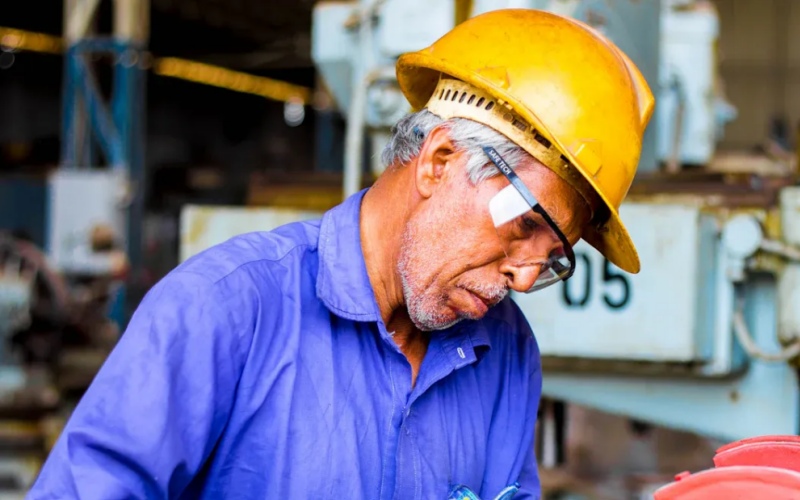
Stop and inspect the wheel, mounting, machine and workpiece support. Bouncing is not proof of glazing alone. Do not continue with abnormal vibration or try to correct it by dressing the disc on a concrete block.
Possible causes include glazing, loading, an unsuitable specification or operating conditions. Check material compatibility, grit, grade, machine condition and technique. Follow the manufacturer's guidance and replace the wheel when required.
Do not assume it is suitable. Select a wheel explicitly approved for aluminum and the operation. Adhering material can load an unsuitable wheel and increase rubbing and heat.
No. Diameter is only one factor. Specification, load, contact area and the work acceptance requirement also affect consumption. Use only the size approved for the machine and compare cost per accepted task.
Follow the manufacturer's storage instructions, protect wheels from moisture, damage and unsuitable temperature conditions, and observe applicable expiry markings. Quarantine damaged or suspect stock rather than assuming it is safe after drying.
Send the steel grade, weld or burr photos, current wheel label, grinder specification and required finish. FUJI can help assess a Super F2 option and an appropriate comparison trial.
Request Application Advice


